Yoga for Flexibility and Strength: A Complete Wellness Routine
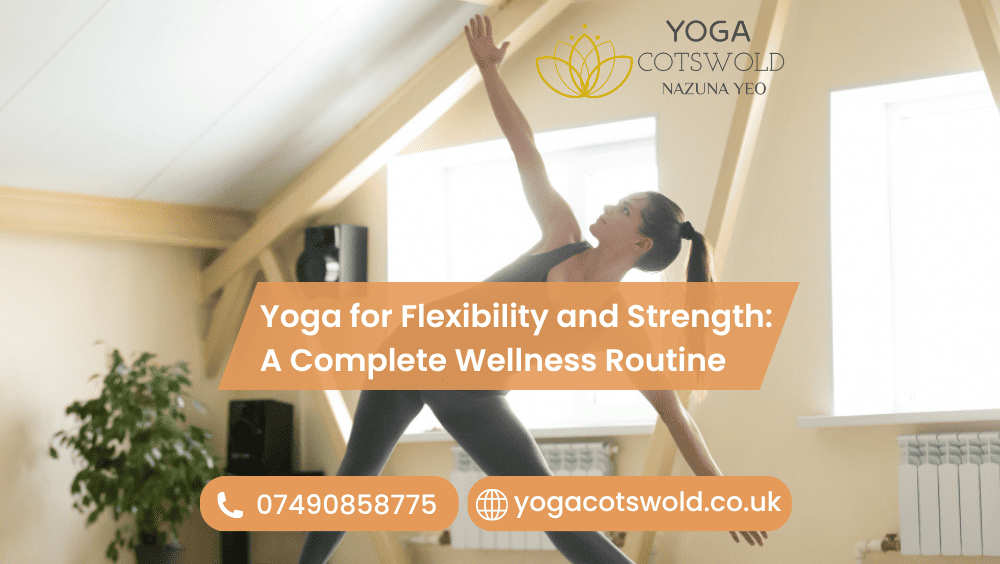
Yoga for Flexibility and Strength: A Complete Wellness Routine. Many people today feel stiff, tired, or slightly out of balance, especially after long hours sitting at a desk or travelling. Over time, these habits reduce mobility and weaken muscles. However, a consistent routine of Yoga for Flexibility and Strength can gently rebuild movement, improve posture, and support overall wellbeing.
At YOGA COTSWOLD, experienced yoga teacher NAZUNA YEO encourages students to develop strength and flexibility in a steady, practical way. Rather than focusing on extreme poses, she guides individuals through thoughtful sequences that feel achievable and sustainable. As a result, participants often notice improvements in their energy levels, balance, and confidence.
Importantly, yoga suits people of all ages and fitness backgrounds. Whether someone is returning to exercise after a long break or simply looking for a healthier lifestyle, a well-structured Yoga Wellness Routine can provide reliable benefits. And honestly, once people start moving regularly, they usually feel the difference quite quickly.
Understanding the Connection Between Flexibility and Strength
Flexibility and strength work together more closely than many people realise. When muscles become tight, joints cannot move freely. Consequently, everyday actions such as bending, lifting, or even walking may feel uncomfortable. On the other hand, weak muscles struggle to support the body, which can lead to poor posture and fatigue.
Therefore, developing both qualities at the same time creates a balanced and resilient body.
Why Flexibility Matters
- Allows smoother movement
- Reduces risk of muscle strain
- Improves joint mobility
- Supports better posture
- Enhances physical comfort
Why Strength Is Equally Important
- Stabilises the spine
- Protects joints from injury
- Improves endurance
- Supports daily activities
- Encourages healthy ageing
When these elements combine, the body becomes more capable and less prone to discomfort. Moreover, consistent movement helps maintain independence later in life.
How Yoga Builds Strength Without Heavy Equipment
Unlike traditional gym workouts, Yoga for Flexibility and Strength relies on body weight and controlled movement. Each pose engages muscles in a steady, focused manner. At the same time, stretching encourages muscles to lengthen and relax.
For instance, holding a simple standing pose requires balance, coordination, and muscle engagement. Meanwhile, slow breathing supports concentration and reduces tension. Over several weeks, these small improvements add up.
At YOGA COTSWOLD, NAZUNA YEO often reminds students that progress does not need to be dramatic. Instead, steady effort leads to lasting results. Some days the body feels stronger, while other days feel slower — and that is perfectly normal.
Key Yoga Poses That Improve Flexibility and Strength
Certain poses provide a strong foundation for a complete Yoga Fitness Routine. Practising these regularly supports both mobility and muscle development.
Mountain Pose
This simple standing position improves posture and strengthens the legs. Additionally, it encourages body awareness and balance.
Chair Pose
Chair Pose challenges the thighs and core muscles. Consequently, it builds endurance and stability.
Cat-Cow Stretch
This gentle movement increases flexibility in the spine. Furthermore, it helps release tension in the back and neck.
Side Plank
Side Plank strengthens the shoulders and abdominal muscles. At the same time, it improves balance and coordination.
Seated Forward Bend
This pose stretches the hamstrings and lower back. Therefore, it supports flexibility in the hips and legs.
Together, these movements form a reliable starting point for anyone beginning a Strength and Flexibility Yoga Programme.
Related Post:
Creating a Balanced Weekly Yoga Routine
A structured routine helps maintain consistency. Without a plan, people often skip sessions or practise irregularly. However, even short sessions can deliver strong results when performed regularly.
Example Weekly Schedule
| Day | Activity | Duration |
|---|---|---|
| Monday | Gentle stretching session | 25 minutes |
| Wednesday | Strength-focused yoga | 30 minutes |
| Friday | Full-body yoga flow | 35 minutes |
| Sunday | Relaxation and breathing practice | 20 minutes |
This schedule provides variety while allowing the body time to recover. Additionally, regular movement helps develop discipline and confidence.
At YOGA COTSWOLD, NAZUNA YEO adapts routines to match individual needs. Some students prefer slower sessions, while others enjoy more dynamic flows.
The Importance of Warm-Up and Cool-Down
Many people rush straight into exercise without preparing their muscles. Unfortunately, this habit increases the risk of injury. Therefore, warming up before yoga practice is essential.
A proper warm-up:
- Increases blood flow
- Prepares muscles for movement
- Improves flexibility
- Reduces stiffness
Similarly, cooling down after practice allows the body to relax and recover. Gentle stretching and breathing exercises help return the heart rate to normal levels.
Although these steps may seem small, they make a noticeable difference in comfort and safety.
Mental and Emotional Benefits of Yoga
Physical improvements often appear first, yet mental changes follow closely behind. Regular yoga practice supports emotional balance and reduces stress levels.
Common Mental Benefits
- Clearer thinking
- Improved mood
- Better sleep quality
- Reduced anxiety
- Increased self-confidence
Moreover, breathing exercises encourage mindfulness. When people focus on their breath, they become more aware of their body and surroundings. Consequently, daily challenges feel easier to manage.
Students at YOGA COTSWOLD frequently mention feeling calmer after sessions. Even a short class can create a sense of relaxation that lasts throughout the day.
How Long Does It Take to See Results
Progress varies from person to person. Nevertheless, most individuals notice gradual improvements within the first few weeks of consistent practice.
Typical Improvement Timeline
| Time Period | Expected Changes |
|---|---|
| 2–3 weeks | Increased mobility |
| 4–5 weeks | Improved flexibility |
| 6–8 weeks | Greater strength |
| 10–12 weeks | Better posture and stamina |
These changes often encourage people to continue practising. After all, visible progress builds motivation.
Tips for Staying Consistent With Yoga Practice
Consistency remains the most important factor in achieving results. However, many people struggle to maintain regular routines. Fortunately, a few simple strategies can help.
Helpful Tips
- Set a regular practice time
- Start with short sessions
- Use comfortable clothing
- Listen to your body
- Celebrate small improvements
Additionally, joining a supportive class environment makes a big difference. Practising alongside others often increases motivation and enjoyment.
At YOGA COTSWOLD, NAZUNA YEO creates a welcoming atmosphere where students feel comfortable progressing at their own pace.
Conclusion
Yoga for Flexibility and Strength offers a practical path towards better health, improved movement, and greater confidence. Through consistent practice, muscles become stronger, joints move more freely, and daily tasks feel easier to manage. Moreover, yoga supports mental clarity and emotional balance, which are just as important as physical fitness.
Under the guidance of dedicated teacher NAZUNA YEO at YOGA COTSWOLD, students learn safe techniques that build strength gradually while improving flexibility. The focus remains on steady progress rather than perfection.
In the long run, even small efforts can lead to meaningful changes. And sometimes, simply showing up on the mat is the hardest step — yet also the most rewarding one.
Social:
https://uk.pinterest.com/pin/1114711345292785231/
https://www.linkedin.com/feed/update/urn:li:share:7448244280357224448/


Comments
Post a Comment