Yoga for Flexibility: 7 Essential Poses You Should Practice Daily
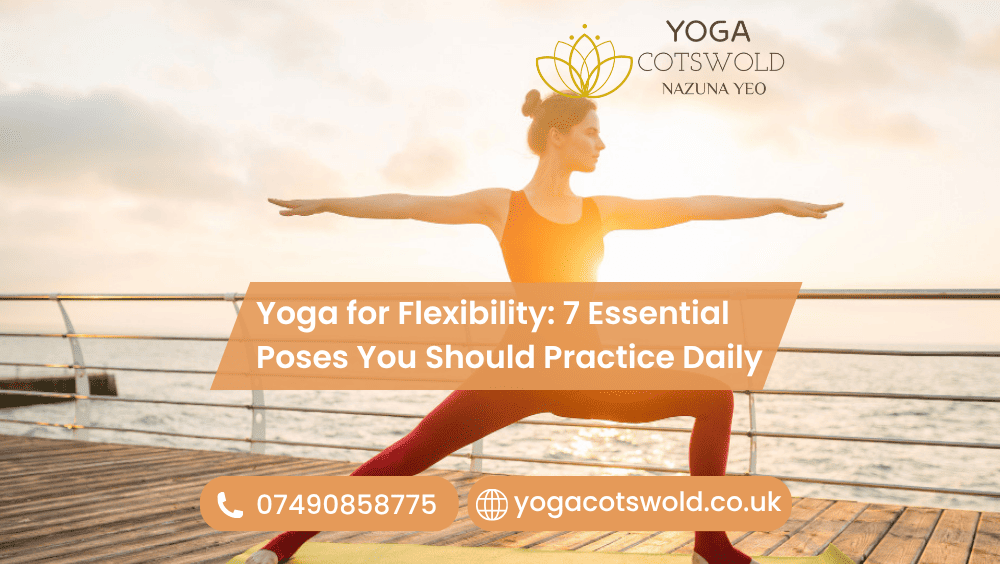
At YOGA COTSWOLD, experienced teacher NAZUNA YEO often reminds students that flexibility develops through patience, not pressure. Moreover, she encourages beginners to focus on steady breathing and mindful movement, because rushing usually leads to strain. So, whether you are new to yoga or returning after a break, practising a few essential poses daily can make a noticeable difference in how your body feels.
Why Flexibility Matters in Everyday Life
Many people assume flexibility only benefits athletes or dancers. Nevertheless, flexibility plays a key role in simple tasks like bending, reaching, and walking comfortably. In addition, flexible muscles support joints and reduce the risk of injury.
Benefits of improving flexibility include:
- Reduced muscle stiffness
- Better posture and balance
- Increased range of motion
- Improved circulation
- Lower risk of muscle strain
Furthermore, regular stretching helps the body recover faster after physical activity. As a result, people often feel more energetic and relaxed throughout the day.
How Daily Yoga Builds Flexibility Safely
Consistency matters more than intensity. Therefore, practising short sessions every day works better than occasional long workouts. Moreover, gentle stretching allows muscles to adapt gradually, which prevents soreness.
NAZUNA YEO suggests starting with 10–15 minutes of daily practice. Then, as comfort improves, you can extend the duration slowly. Importantly, breathing deeply during each pose helps muscles relax and stretch more effectively.
7 Essential Yoga Poses for Flexibility
These poses form a simple routine suitable for beginners and intermediate practitioners. Additionally, they target major muscle groups, including the back, hips, shoulders, and legs.
1. Downward Facing Dog (Adho Mukha Svanasana)
This pose stretches the entire body, especially the hamstrings, calves, and spine. Consequently, it improves circulation and posture.
How to practise:
- Place hands and feet on the mat
- Lift hips upward
- Keep the back straight
- Hold for 5–8 breaths
Flexibility benefit:
Lengthens the spine and relieves back tension.
2. Cat-Cow Stretch (Marjaryasana–Bitilasana)
The Cat-Cow sequence gently warms up the spine. Therefore, it is ideal at the beginning of a yoga session.
Key advantages:
- Improves spinal mobility
- Reduces stiffness
- Encourages deep breathing
Moreover, this movement helps people who sit for long hours at work.
3. Child’s Pose (Balasana)
Child’s Pose offers relaxation while stretching the hips and lower back. As a result, it calms both body and mind.
Why practise daily:
- Releases back tension
- Promotes relaxation
- Supports gentle flexibility
Many students at YOGA COTSWOLD use this pose as a resting position between exercises.
4. Standing Forward Bend (Uttanasana)
This pose stretches the hamstrings and lower back deeply. However, beginners should bend their knees slightly to avoid strain.
Flexibility benefit:
Improves leg mobility and reduces lower back tightness.
Helpful tip:
Move slowly when entering and leaving the pose.
5. Butterfly Pose (Baddha Konasana)
Butterfly Pose focuses on the hips and inner thighs. Consequently, it increases hip flexibility and improves posture.
Steps to follow:
- Sit upright
- Bring feet together
- Gently press knees toward the floor
Over time, this pose helps reduce stiffness in the hip joints.
6. Cobra Pose (Bhujangasana)
Cobra Pose strengthens the spine while stretching the chest and shoulders. Therefore, it helps counteract slouching caused by desk work.
Benefits include:
- Improved posture
- Increased spinal flexibility
- Reduced shoulder tension
Additionally, practising this pose regularly supports back health.
7. Seated Spinal Twist (Ardha Matsyendrasana)
Twisting poses improve spinal mobility and digestion. Moreover, they release tension in the back muscles.
Flexibility benefit:
Enhances rotational movement in the spine.
Important note:
Always twist gently and avoid forcing the movement.
Suggested Daily Yoga Routine
The following table provides a simple structure for a short flexibility session.
| Pose | Duration | Target Area | Difficulty Level |
|---|---|---|---|
| Downward Facing Dog | 30 seconds | Full body | Beginner |
| Cat-Cow Stretch | 1 minute | Spine | Beginner |
| Child’s Pose | 30 seconds | Lower back | Beginner |
| Standing Forward Bend | 30 seconds | Hamstrings | Beginner |
| Butterfly Pose | 45 seconds | Hips | Beginner |
| Cobra Pose | 30 seconds | Chest & spine | Beginner |
| Seated Spinal Twist | 45 seconds | Back | Beginner |
This routine takes less than ten minutes. Nevertheless, practising daily delivers steady improvements.
Related Post:
Common Mistakes to Avoid During Flexibility Training
Even simple yoga poses can cause discomfort if performed incorrectly. Therefore, paying attention to technique is essential.
Frequent mistakes include:
- Holding the breath
- Forcing the stretch
- Skipping warm-ups
- Practising inconsistently
- Ignoring body signals
Moreover, rushing through poses often reduces effectiveness. Instead, move slowly and stay mindful of each movement.
How Long Does It Take to Improve Flexibility?
Results vary depending on age, activity level, and consistency. However, most people notice small improvements within two to four weeks.
| Practice Frequency | Expected Progress |
|---|---|
| Once per week | Slow improvement |
| Three times per week | Moderate improvement |
| Daily practice | Fast and steady progress |
Therefore, regular practice remains the key to success.
Why Learn Yoga from a Qualified Teacher
Although online videos are helpful, guidance from an experienced instructor ensures safe progress. Moreover, personalised feedback helps correct posture and prevent injury.
NAZUNA YEO focuses on gentle instruction and supportive learning. Students at YOGA COTSWOLD often mention feeling more confident after attending guided sessions. Additionally, group classes create motivation and consistency, which makes long-term practice easier.
Tips for Staying Consistent with Daily Yoga
Building a habit takes effort, yet small strategies make the process smoother.
Helpful suggestions:
- Practise at the same time each day
- Use a comfortable yoga mat
- Start with short sessions
- Track your progress
- Stay patient with yourself
Furthermore, celebrating small improvements keeps motivation high.
Conclusion
Flexibility develops gradually, but the rewards feel immediate. With daily practice, muscles loosen, posture improves, and movement becomes more comfortable. Therefore, dedicating just a few minutes each day to yoga for flexibility can transform overall well-being.
Under the guidance of NAZUNA YEO at YOGA COTSWOLD, many students discover that flexibility is not about perfection. Instead, it is about consistent effort, mindful breathing, and listening to the body. And honestly, that simple approach works better than pushing too hard.
Social:
https://uk.pinterest.com/pin/1114711345293665982/
https://www.linkedin.com/feed/update/urn:li:share:7453321070951989248/


Comments
Post a Comment