Mindful Yoga: Techniques to Reduce Stress & Anxiety
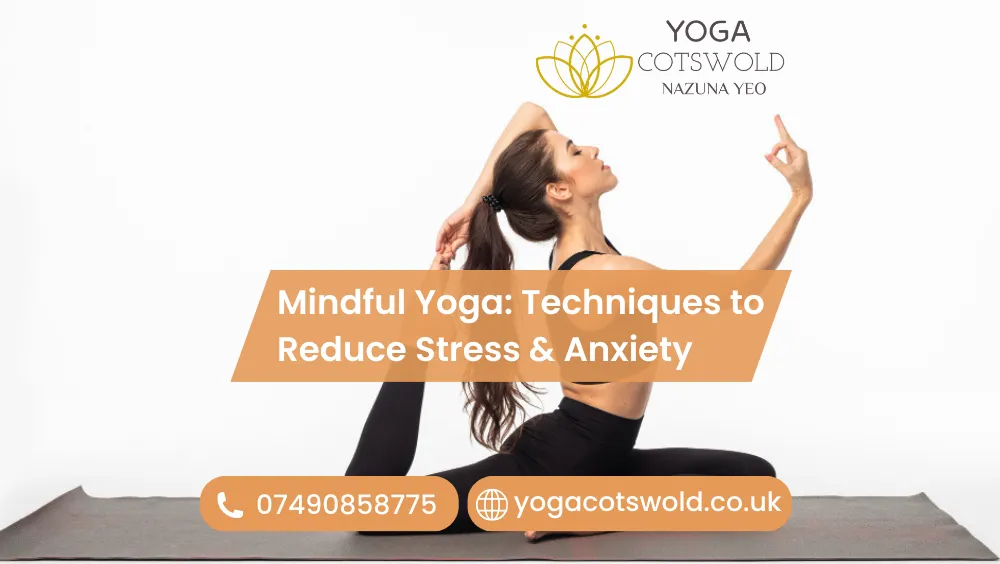
Mindful Yoga: Techniques to Reduce Stress & Anxiety. Life rarely pauses. Emails arrive late at night, responsibilities overlap, and even quiet moments feel crowded with thought. Consequently, stress builds quietly in the body, while anxiety lingers in the mind. However, there is a steady and practical way to respond. Mindful Yoga offers grounded techniques that calm the nervous system, improve emotional balance, and restore clarity.
At YOGA COTSWOLD, NAZUNA YEO teaches a thoughtful approach to yoga that blends breath awareness, gentle movement, and mental focus. Rather than pushing for extreme flexibility, she encourages steady presence. As a result, students discover calm that feels sustainable rather than temporary.
Understanding the Link Between Mind and Body
Stress rarely stays confined to thought alone. Instead, it tightens shoulders, shortens breath, and stiffens posture. Over time, these physical reactions reinforce mental tension. Therefore, any effective approach to reducing anxiety must address both body and mind together.
Mindful Yoga works precisely in this way. Through slow, deliberate movement and conscious breathing, the practice interrupts stress patterns. Moreover, it trains attention gently. Consequently, anxious thoughts lose intensity and physical tension softens.
NAZUNA YEO frequently reminds her students that awareness creates choice. When you notice stress early, you respond wisely rather than react automatically.
What Makes Mindful Yoga Different?
Many yoga styles focus on dynamic flow or advanced postures. While these have value, mindful practice prioritises attention over performance. You move steadily. You breathe consciously. You observe sensations without judgement.
This approach develops:
-
Emotional resilience
-
Steady concentration
-
Physical relaxation
-
Improved breathing habits
Therefore, the benefits extend beyond the mat.
At YOGA COTSWOLD, each class integrates these elements naturally. Rather than overwhelming beginners, NAZUNA YEO guides students step by step. As a result, the experience feels accessible and welcoming.
Breathing Techniques That Calm the Nervous System
Breath shapes emotional state. When anxiety rises, breathing becomes shallow and quick. However, deliberate breathing shifts the nervous system towards calm.
1. Slow Nasal Breathing
Inhale gently through the nose for four counts. Exhale slowly for six. Because extended exhalation activates the parasympathetic response, tension decreases gradually.
Practise this technique daily. Consequently, your body learns to associate longer breaths with safety.
2. Box Breathing
Inhale for four counts, hold for four, exhale for four, and pause for four. This rhythmic pattern improves focus while reducing mental agitation.
3. Ocean Breath (Ujjayi)
Create a soft whispering sound at the back of the throat as you breathe. This technique deepens concentration and grounds attention.
NAZUNA YEO often introduces breathwork at the beginning of class. Therefore, students settle before movement begins.
Gentle Poses to Reduce Stress and Anxiety
Physical posture influences mental state. Therefore, mindful yoga selects poses that encourage openness and relaxation.
Supported Forward Fold
With knees slightly bent, fold at the hips and allow the head to rest. This position releases neck tension and encourages introspection.
Seated Twist
A gentle twist improves circulation and refreshes focus. Moreover, it symbolises letting go of lingering stress.
Bridge Pose
Lifting the hips gently while keeping shoulders grounded strengthens the back and opens the chest. Consequently, breathing becomes fuller.
Reclined Butterfly
Lying back with soles of the feet together encourages deep rest. Because the body feels supported, the mind softens.
Each posture at YOGA COTSWOLD flows calmly into the next. As a result, movement feels cohesive rather than rushed.
The Importance of Slow Transitions
Rapid movement can increase stress. However, mindful yoga values transitions as much as poses themselves. When you move deliberately between postures, you cultivate patience and stability.
This awareness trains the brain to slow down. Consequently, daily tasks feel less overwhelming.
NAZUNA YEO emphasises smooth pacing. Therefore, even beginners experience steadiness from the first session.
Meditation and Guided Awareness
Although movement forms part of the practice, stillness completes it. Guided meditation strengthens emotional regulation and mental clarity.
Common approaches include:
-
Body scan meditation
-
Loving-kindness meditation
-
Breath observation
During these sessions, you notice thoughts without engaging them. Over time, this habit reduces overthinking.
Because anxiety often thrives on mental repetition, mindfulness interrupts the cycle effectively.
Creating a Sustainable Routine
Consistency builds resilience. However, long sessions are not necessary. Even fifteen minutes daily makes a difference.
Start with:
-
Five minutes of breathing
-
Ten minutes of gentle stretching
-
Two minutes of seated reflection
Gradually, you may extend your practice. Alternatively, attend weekly sessions at YOGA COTSWOLD for structured guidance.
NAZUNA YEO encourages progress without pressure. Therefore, students develop habits that feel realistic.
Related Post:
Emotional Benefits of Mindful Practice
Stress often masks deeper emotional fatigue. However, when you practise mindfully, suppressed feelings may surface gently. Instead of resisting them, you observe with compassion.
Consequently, emotional resilience grows.
Over time, students report:
-
Improved mood stability
-
Better sleep quality
-
Reduced irritability
-
Clearer decision-making
Although individual experiences vary, consistent practice supports measurable change.
Physical Benefits That Support Mental Calm
The body and mind operate as one system. Therefore, improving physical alignment enhances psychological well-being.
Mindful yoga supports:
-
Improved posture
-
Increased flexibility
-
Stronger core stability
-
Enhanced circulation
As a result, physical discomfort reduces. Consequently, mental strain decreases as well.
Mindfulness Beyond the Studio
Yoga does not end when class concludes. Instead, its principles extend into everyday life.
For example:
-
Pause before responding during difficult conversations.
-
Take three deep breaths before entering a meeting.
-
Notice physical tension during long work sessions.
These small actions reinforce awareness.
NAZUNA YEO frequently reminds her students that mindfulness lives in ordinary moments. Therefore, each day becomes an opportunity for practice.
Why Choose YOGA COTSWOLD?
YOGA COTSWOLD provides a calm and supportive environment. Classes remain small enough for personal guidance, yet welcoming enough for community connection.
NAZUNA YEO combines professional knowledge with genuine warmth. Moreover, she adapts sequences thoughtfully for varied abilities. Consequently, students feel supported rather than judged.
The studio prioritises:
-
Clear instruction
-
Steady progression
-
Emotional awareness
-
Inclusive teaching
Therefore, practitioners build confidence naturally.
Conclusion
Modern stress may feel unavoidable; however, your response remains within your control. Through Mindful Yoga, you cultivate calm deliberately. Gentle breathing steadies the nervous system. Conscious movement releases tension. Present-moment awareness softens anxiety.
At YOGA COTSWOLD, NAZUNA YEO offers more than physical exercise. She provides tools for emotional balance and sustainable wellbeing.
With regular practice, stress loses intensity. Anxiety becomes manageable. Consequently, daily life feels steadier and more purposeful.
Social:
https://www.linkedin.com/feed/update/urn:li:share:7433425018878951424/?actorCompanyId=106730775


Comments
Post a Comment