Morning Yoga for Beginners: 10-Minute Wake-Up Flow
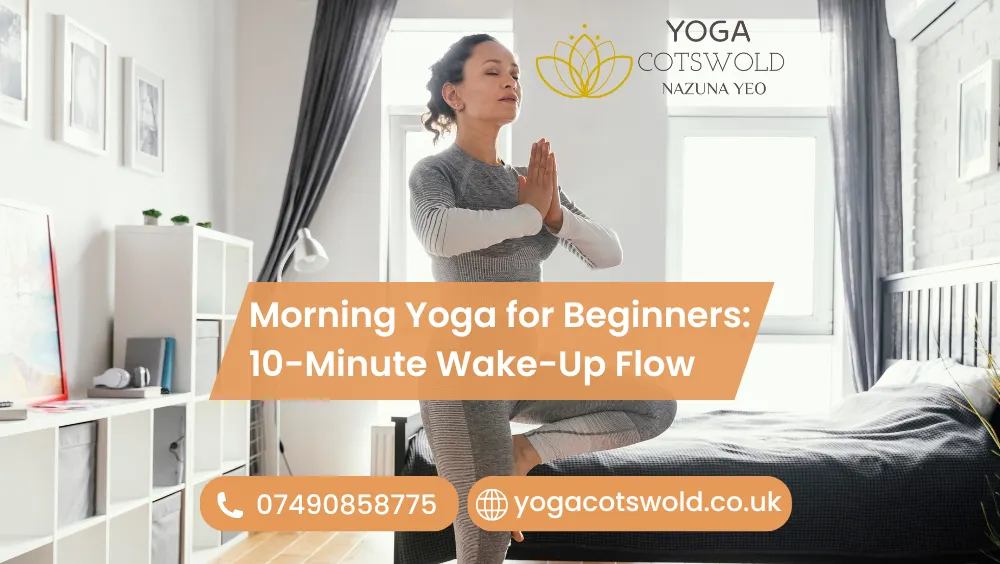
Morning Yoga for Beginners: 10-Minute Wake-Up Flow: Starting your day with yoga can set a positive tone for the rest of your day. A morning yoga routine helps awaken your body, calm your mind, and promote a sense of well-being. If you're a beginner or have limited time, 10-minute morning yoga flows are the perfect way to get started. In this article, we'll explore a 10-minute wake-up yoga flow that you can easily incorporate into your morning routine. Whether you're new to yoga or want a quick, energising session, this practice can help you feel more balanced and focused.
Why Morning Yoga Matters
Starting your day with a short session of morning yoga has numerous benefits. Many people struggle with stiffness, fatigue, or lack of focus as they wake up. Yoga helps to alleviate these issues and creates a foundation for the day ahead. Here’s why incorporating yoga into your morning is so beneficial:
-
Increases flexibility: After a night of rest, your body can feel stiff. Morning yoga gently stretches the muscles, improving flexibility and joint mobility.
-
Boosts energy: Yoga movements can stimulate circulation, giving you a natural boost of energy without the need for caffeine.
-
Calms the mind: Yoga helps centre the mind, reducing stress and anxiety. Starting the day with mindfulness can create a sense of calm that lasts throughout the day.
-
Improves focus and productivity: A quick flow helps sharpen focus, making it easier to tackle tasks and maintain mental clarity throughout the day.
Now that we understand why morning yoga is essential, let’s explore a simple 10-minute wake-up yoga flow for beginners that can fit into even the busiest of mornings.
The 10-Minute Wake-Up Flow for Beginners
This morning yoga flow focuses on a combination of gentle stretches, mindful breathing, and simple poses. Each posture is designed to gradually awaken the body and mind, leaving you feeling refreshed and ready to start your day.
1. Begin with a Comfortable Seat (1 Minute)
Start in a seated position (Sukhasana or Easy Pose). Sit on your mat with your legs crossed, ensuring your spine is tall and your shoulders are relaxed. Rest your hands on your knees or thighs, and close your eyes.
Take a few deep breaths, inhaling through your nose and exhaling through your mouth. This helps you ground yourself and prepare mentally for your practice. Focus on your breath, and try to clear your mind from any distractions. Stay here for a minute, allowing your body to relax into the moment.
2. Cat-Cow Pose (1 Minute)
From your seated position, come onto all fours to move into Cat-Cow Pose. Place your hands directly under your shoulders and your knees under your hips.
-
On an inhale, drop your belly towards the floor, lifting your chest and tailbone (Cow Pose).
-
On an exhale, round your back, tucking your chin to your chest, and pushing the floor away (Cat Pose).
Flow gently between these two movements, matching your breath with the movements of your spine. This motion helps to mobilise your spine, wake up your back, and prepare your body for deeper stretches.
3. Downward-Facing Dog (1 Minute)
Next, move into Downward-Facing Dog (Adho Mukha Svanasana). Start from your hands and knees, lifting your hips towards the ceiling and straightening your legs. Press your palms firmly into the mat, and let your head hang freely between your arms.
If your hamstrings are tight, feel free to bend your knees slightly. Focus on lengthening your spine and lifting your hips high. Downward Dog is a wonderful full-body stretch that lengthens your back, stretches your hamstrings, and opens your shoulders.
Stay in this position for 1 minute, breathing deeply, and feel your body slowly stretching with each breath.
4. Forward Fold (1 Minute)
From Downward-Facing Dog, step your feet towards your hands and come into a Forward Fold (Uttanasana). Keep your feet hip-width apart and let your upper body hang towards your legs. Allow your neck to relax, and let gravity gently deepen the stretch.
This pose stretches your hamstrings, relieves tension in your back, and increases circulation to your head. If it feels good, gently sway from side to side, massaging your lower back.
Stay in this pose for one minute, allowing your body to release any stiffness from the night’s sleep.
5. Standing Forward Fold with Shoulder Opener (1 Minute)
Once you’re standing, come into a Standing Forward Fold again, but this time, add a shoulder opener. From the forward fold, interlace your fingers behind your back, straighten your arms, and lift them toward the ceiling as you fold forward.
This movement opens up your chest and shoulders, areas that tend to carry tension. The deeper stretch in your shoulders helps release tightness, especially if you spend a lot of time sitting at a desk or using a computer.
6. Warrior I (1 Minute)
After your Forward Fold, step one foot back into a Warrior I pose (Virabhadrasana I). Keep your front knee bent at 90 degrees, and your back leg straight. Reach both arms overhead, keeping your shoulders relaxed and chest open. Warrior I builds strength in your legs and opens your hips and chest.
Stay in this position for 30 seconds, then repeat on the other side. Focus on grounding your feet into the mat and keeping your spine tall.
7. Seated Forward Fold (1 Minute)
To finish your short yoga flow, come back to a seated position. Stretch your legs out in front of you and fold forward, reaching for your feet or ankles in Seated Forward Fold (Paschimottanasana). Keep your spine straight, and aim to bring your chest towards your thighs rather than just reaching for your toes.
This pose stretches the hamstrings and promotes a sense of calm. Stay here for one minute, breathing deeply and allowing your body to relax further with each breath.
Transition tip: Avoid rounding your back. Keep the focus on lengthening your spine as you fold, ensuring a deeper stretch in the hamstrings and back.
8. Closing with Easy Pose and Breathing (1 Minute)
Finally, return to a comfortable seated position, just as you began the flow. Close your eyes, bring your palms together in front of your heart, and take a few slow, deep breaths. This helps calm the mind and solidifies the energy you’ve created during your practice.
Take a moment to reflect on how your body feels after the practice. Notice any areas of relaxation, warmth, or energy. Finish your practice with gratitude for your body and the time you’ve taken to invest in your health and well-being.
» How Can Yoga Control Your Back Pain?
» Can Meditation Reduce Anxiety and Stress Naturally?
» Why does yoga help in reducing weight?
» Why Yoga Is Essential for Children’s Physical and Mental Growth?
Tips for a Successful Morning Yoga Routine
If you’re new to yoga or short on time, here are a few tips to help make your morning flow even more effective:
-
Start slow: If you’re new to yoga, don’t worry about pushing yourself too hard. Go at your own pace and focus on getting comfortable with the poses.
-
Consistency is key: Try to incorporate this 10-minute flow into your daily routine. Even 10 minutes a day can make a huge difference in your flexibility, energy levels, and mood.
-
Use props if needed: If you have tight muscles or find some poses challenging, feel free to use props like blocks or straps to support your practice.
-
Focus on your breath: Your breath is an integral part of yoga. Focus on deep, steady breaths to guide your movements and calm your mind.
Conclusion: Start Your Day with Mindfulness and Energy
A quick 10-minute morning yoga flow can completely transform your day. By taking just a few minutes each morning to connect with your body and mind, you set yourself up for a more productive, focused, and balanced day.
Whether you’re looking to boost energy, reduce stress, or improve flexibility, this simple practice can help you start your day on the right foot. At YOGA COTSWOLD, led by Nazuna Yeo, we offer a range of classes and tips to help you deepen your practice and improve your health.
Social:
https://www.linkedin.com/feed/update/urn:li:share:7409123791353782272/


Comments
Post a Comment